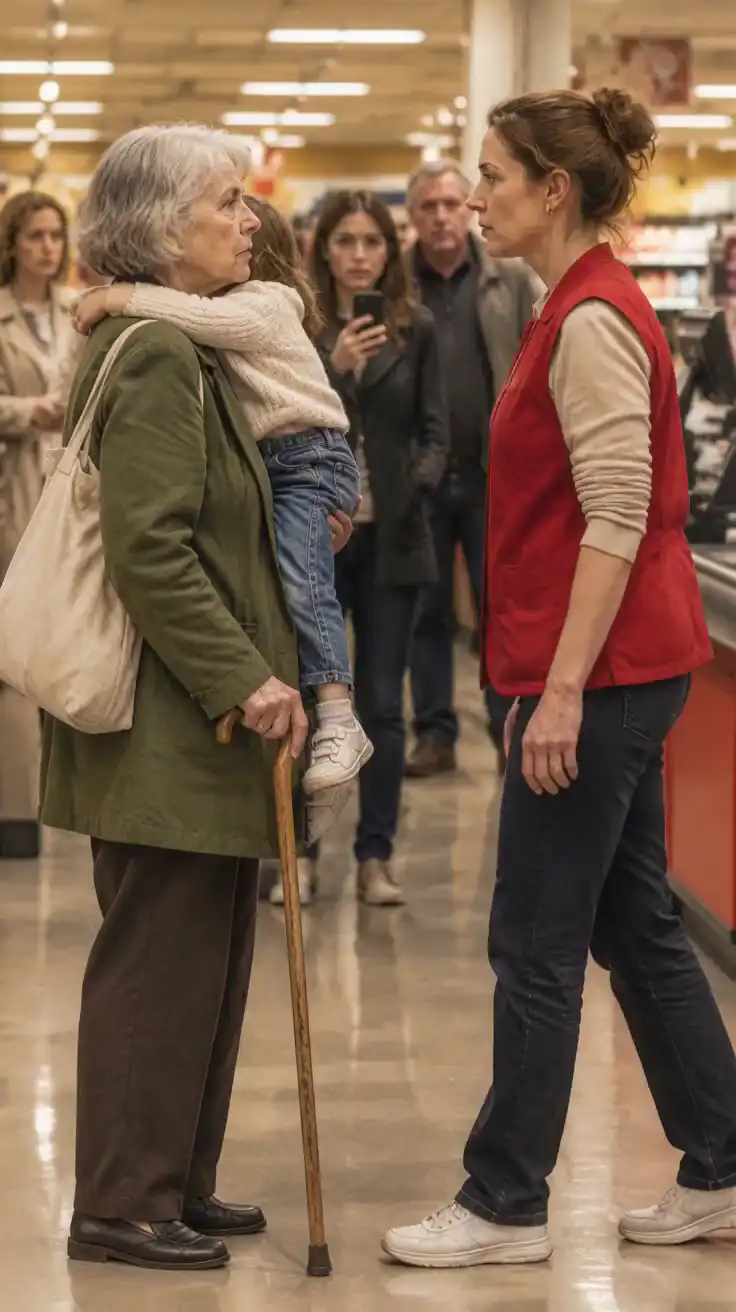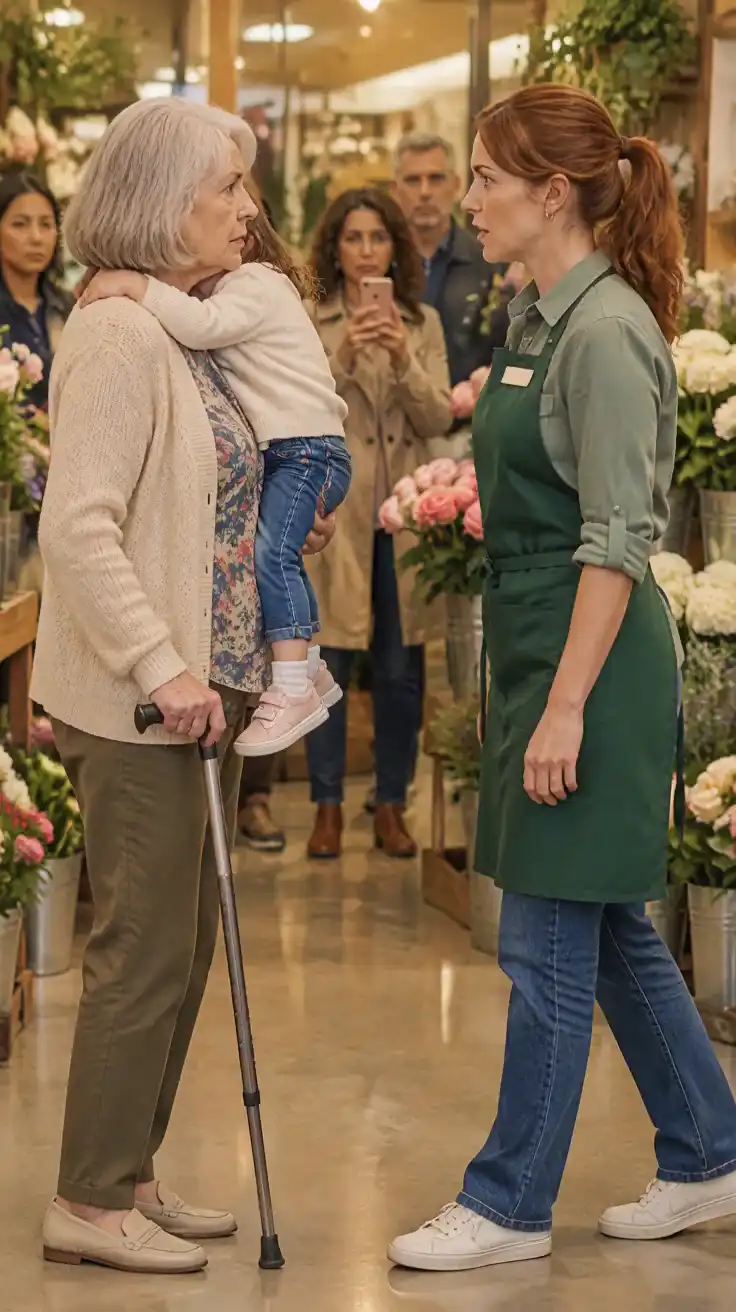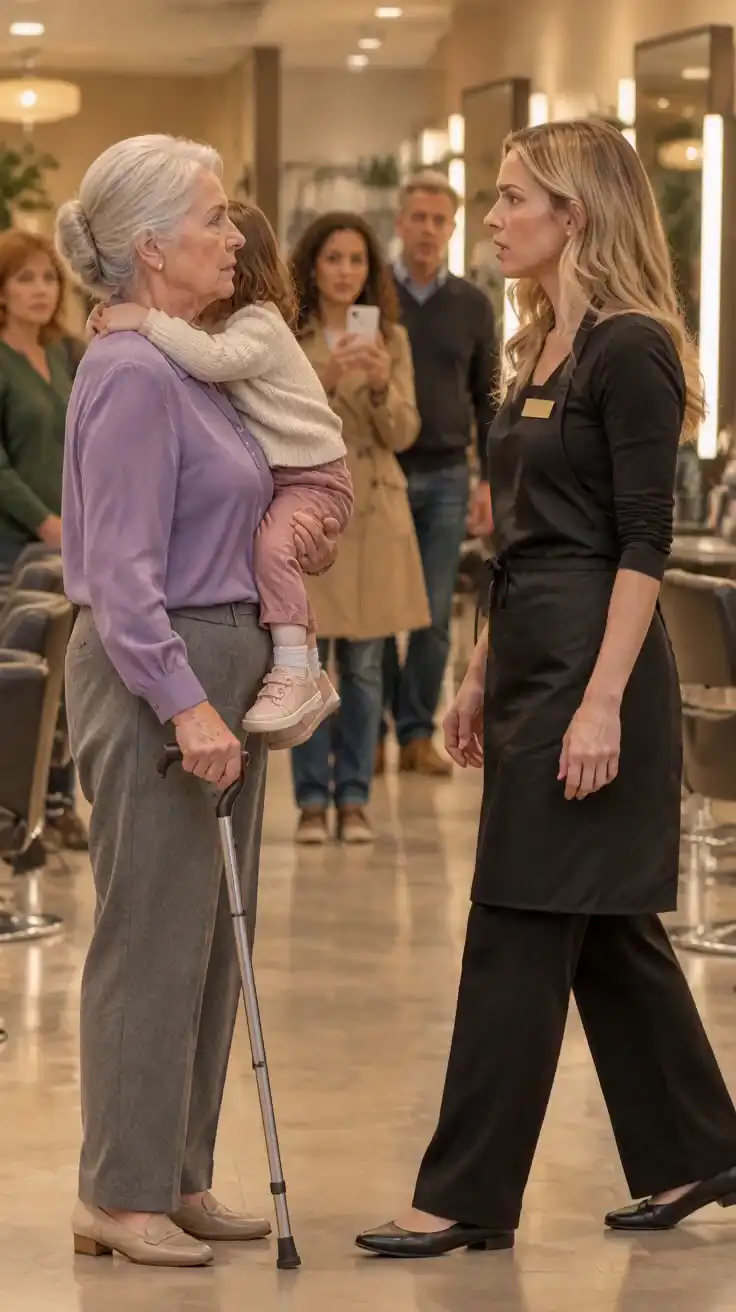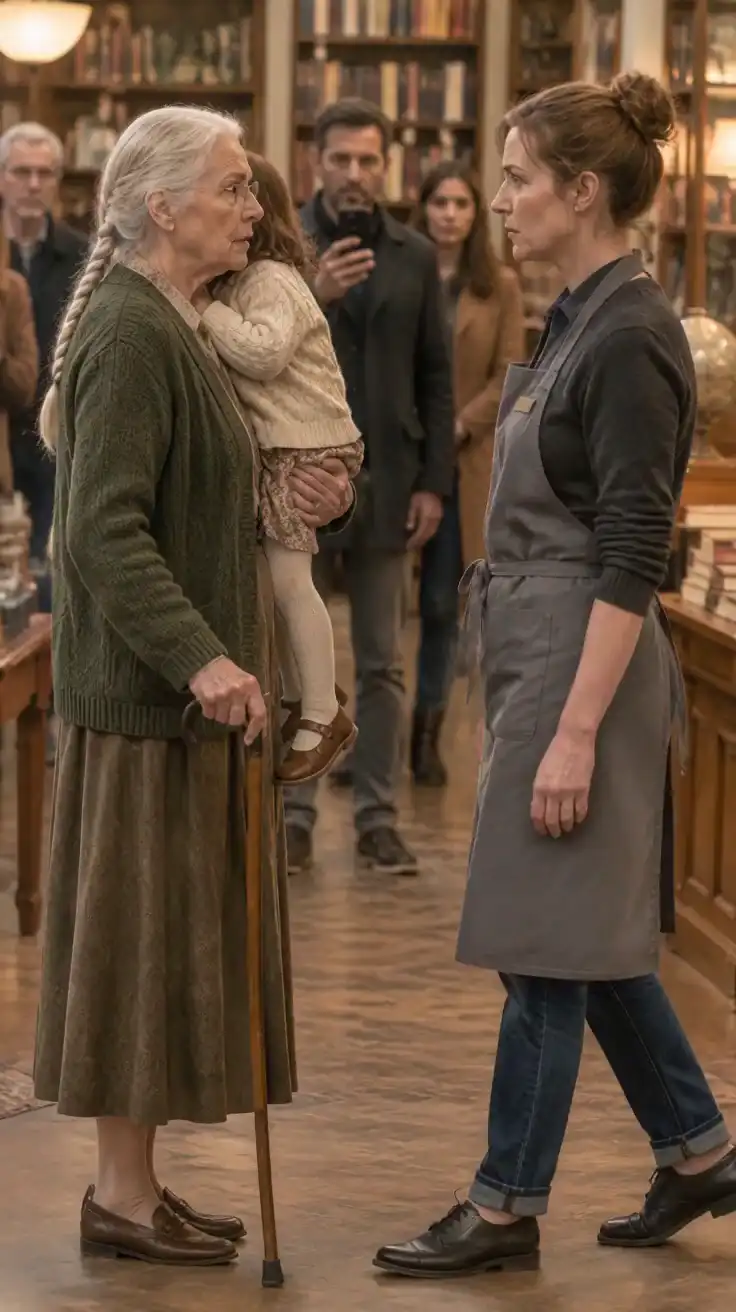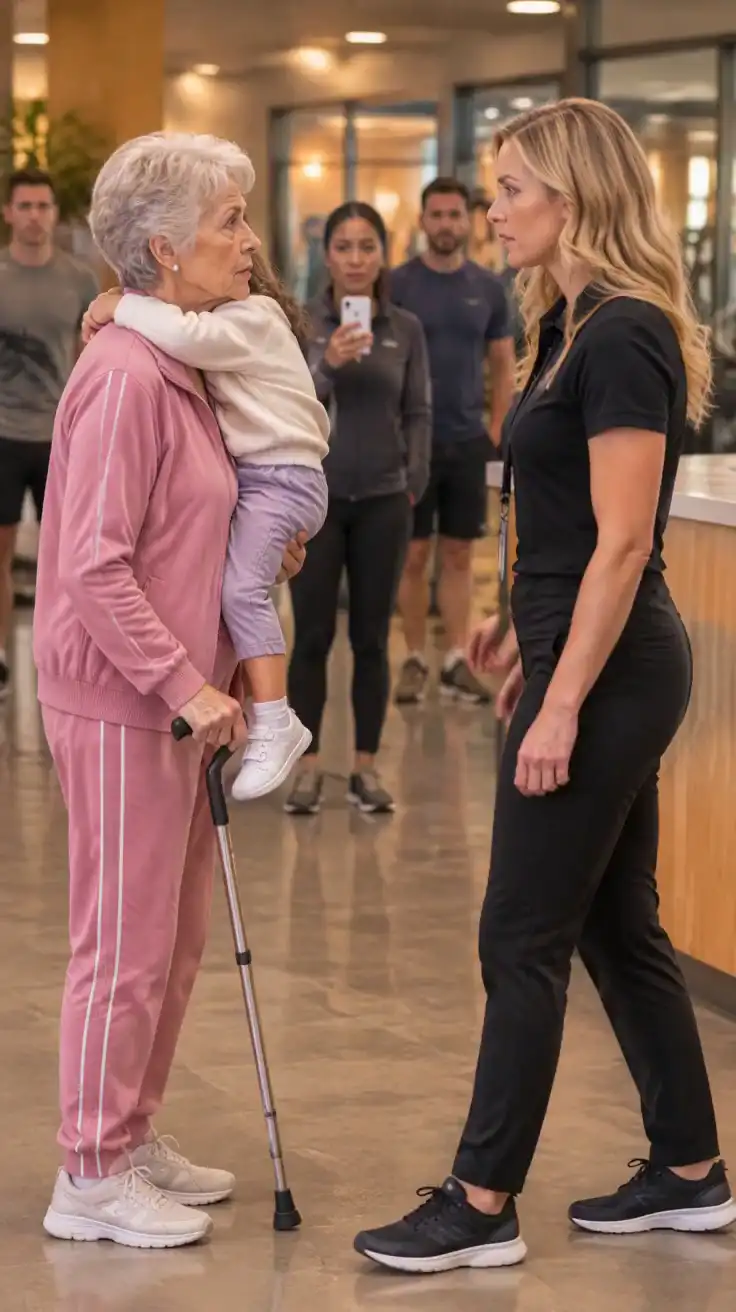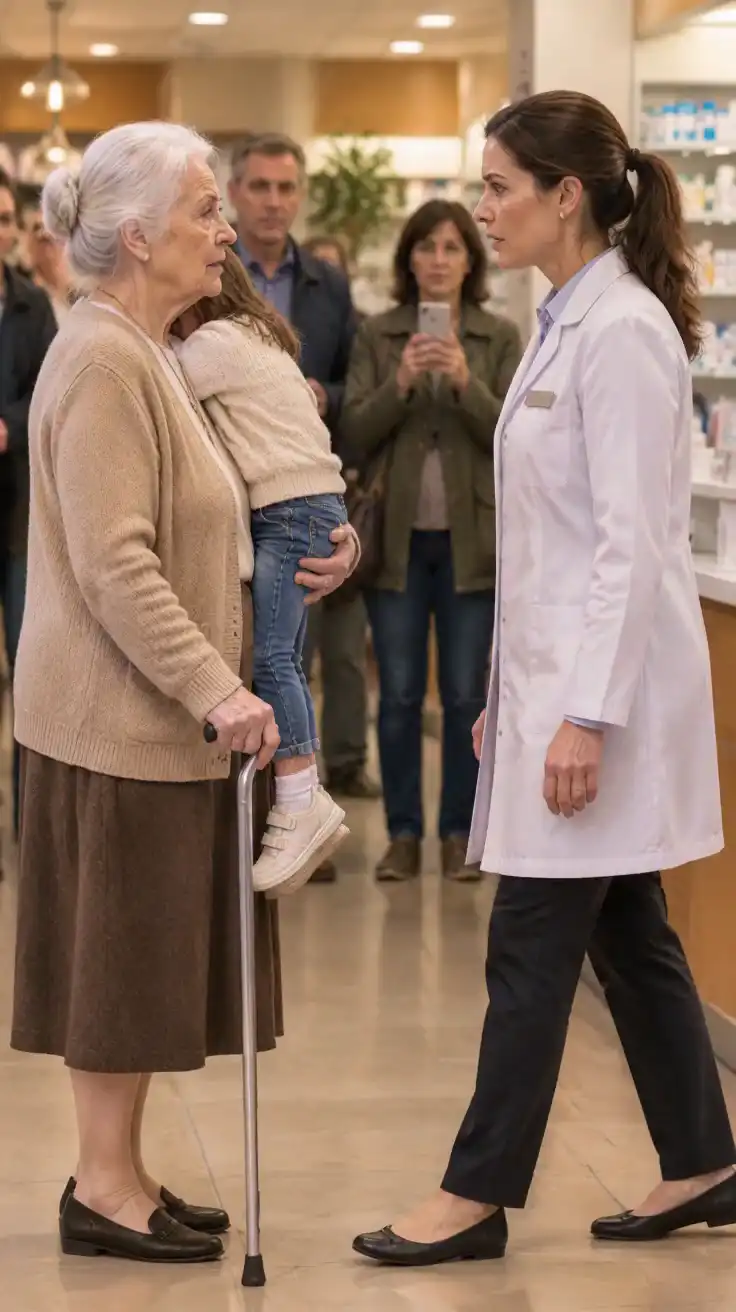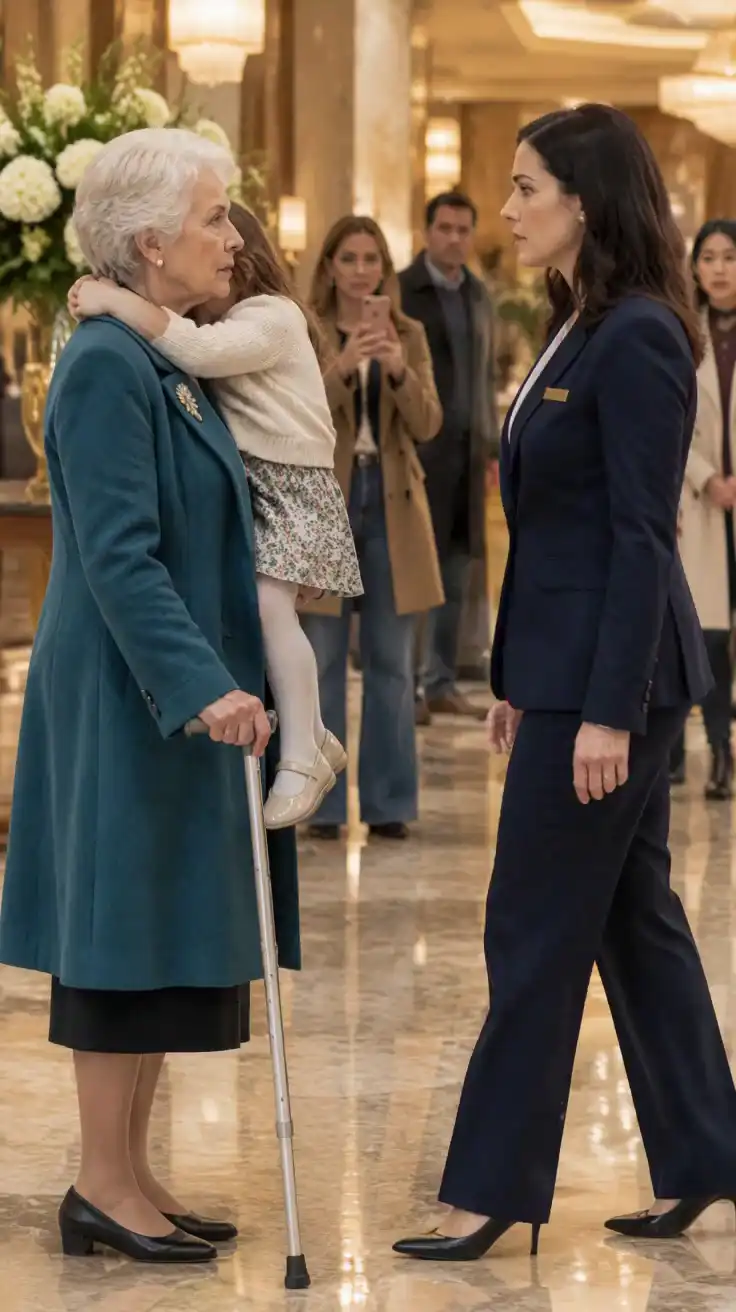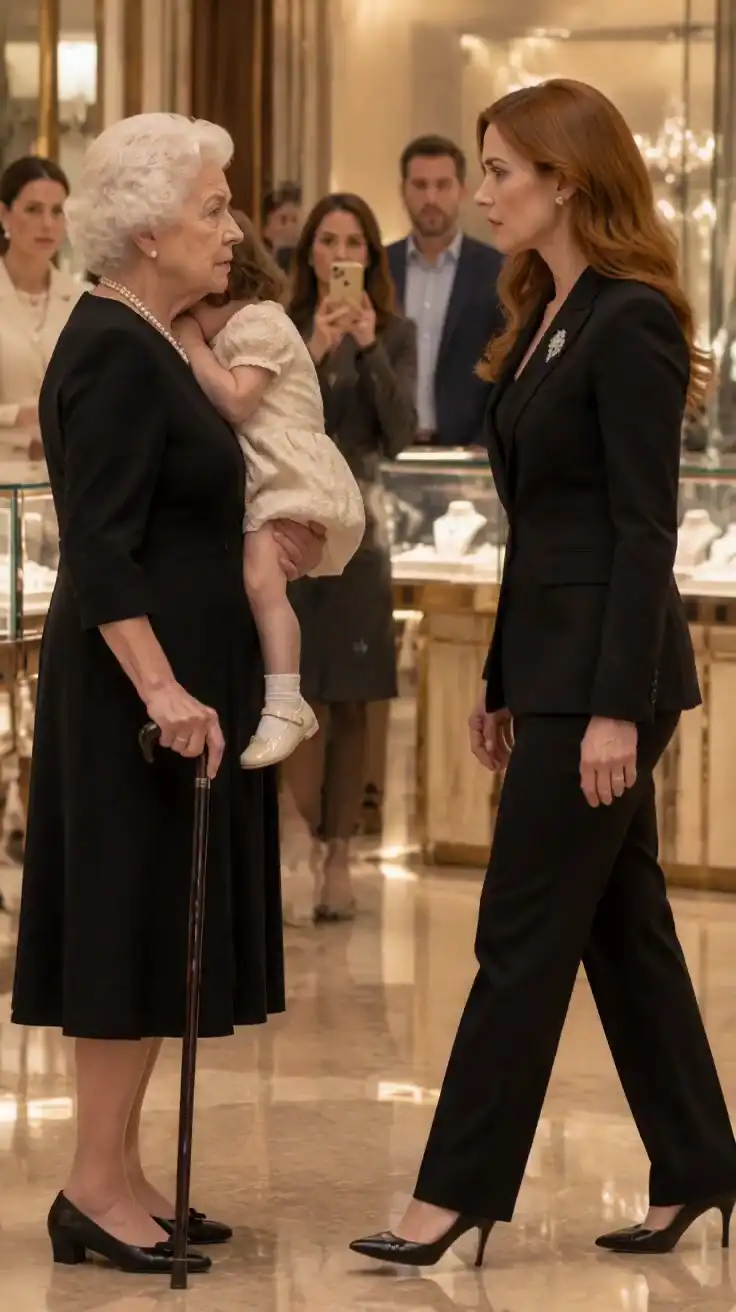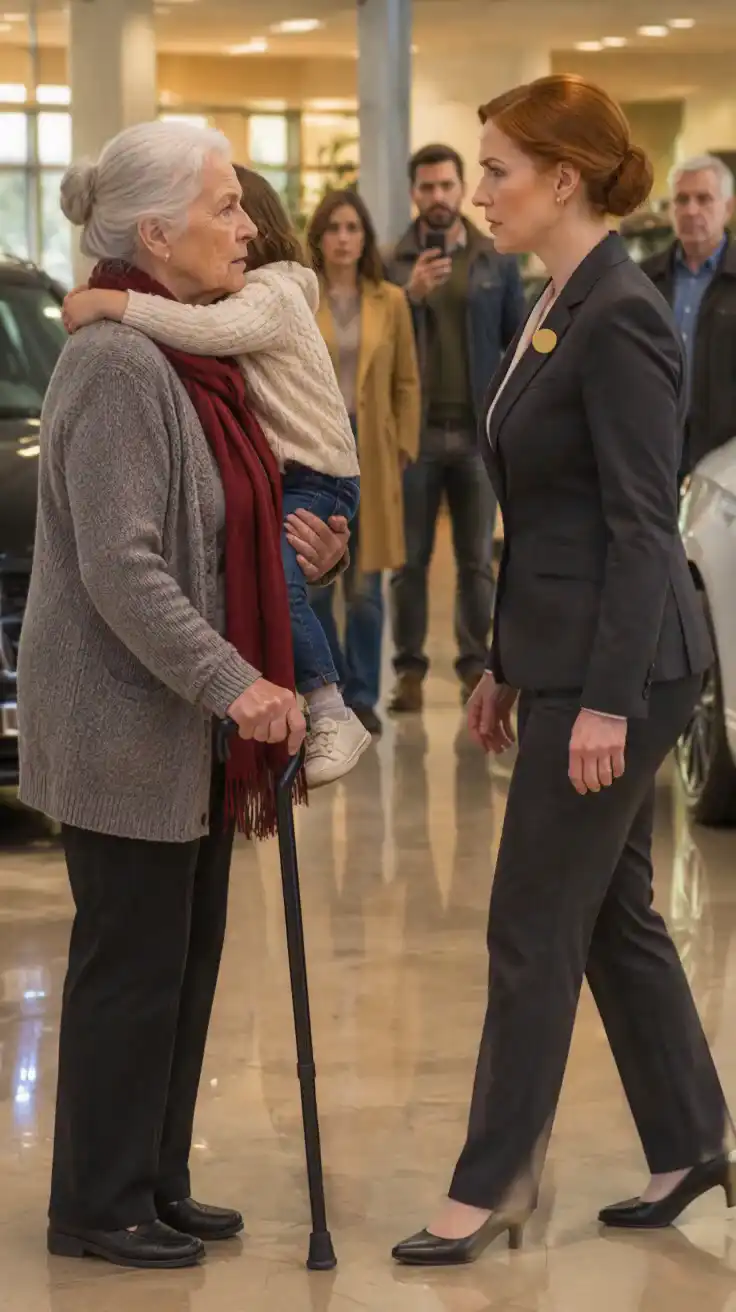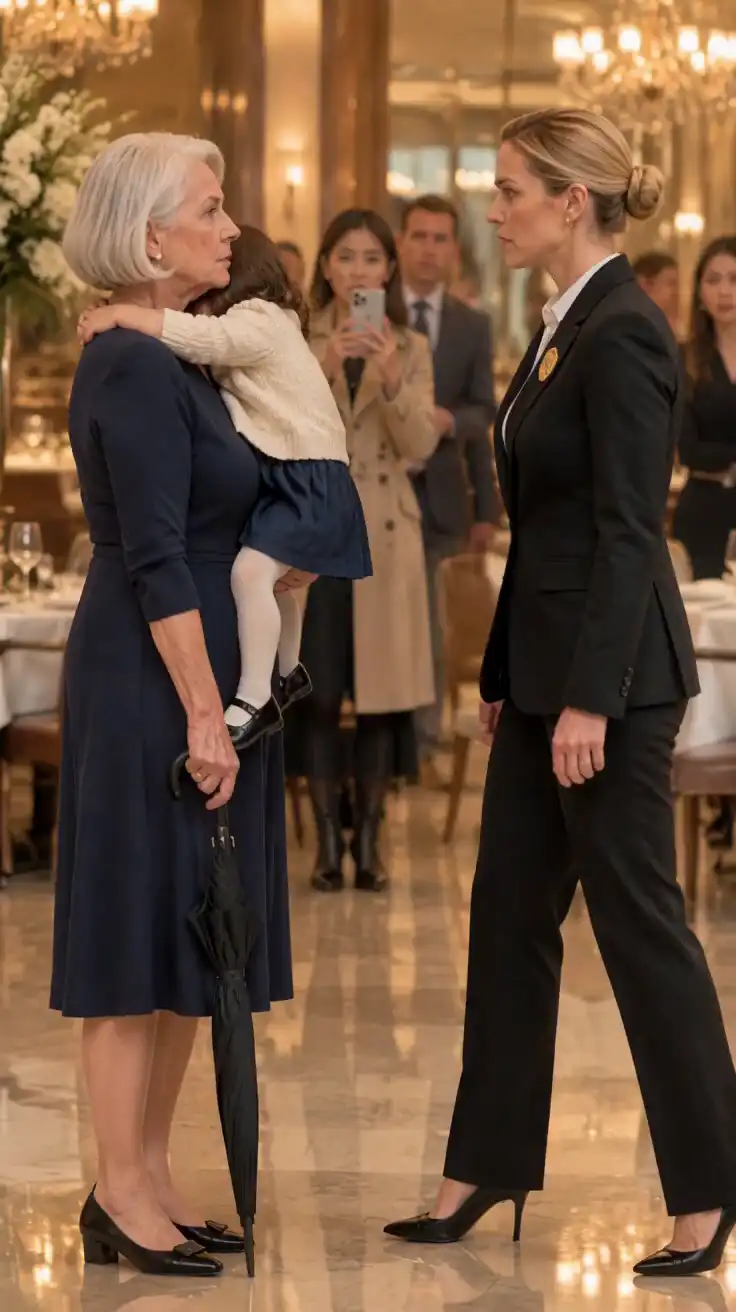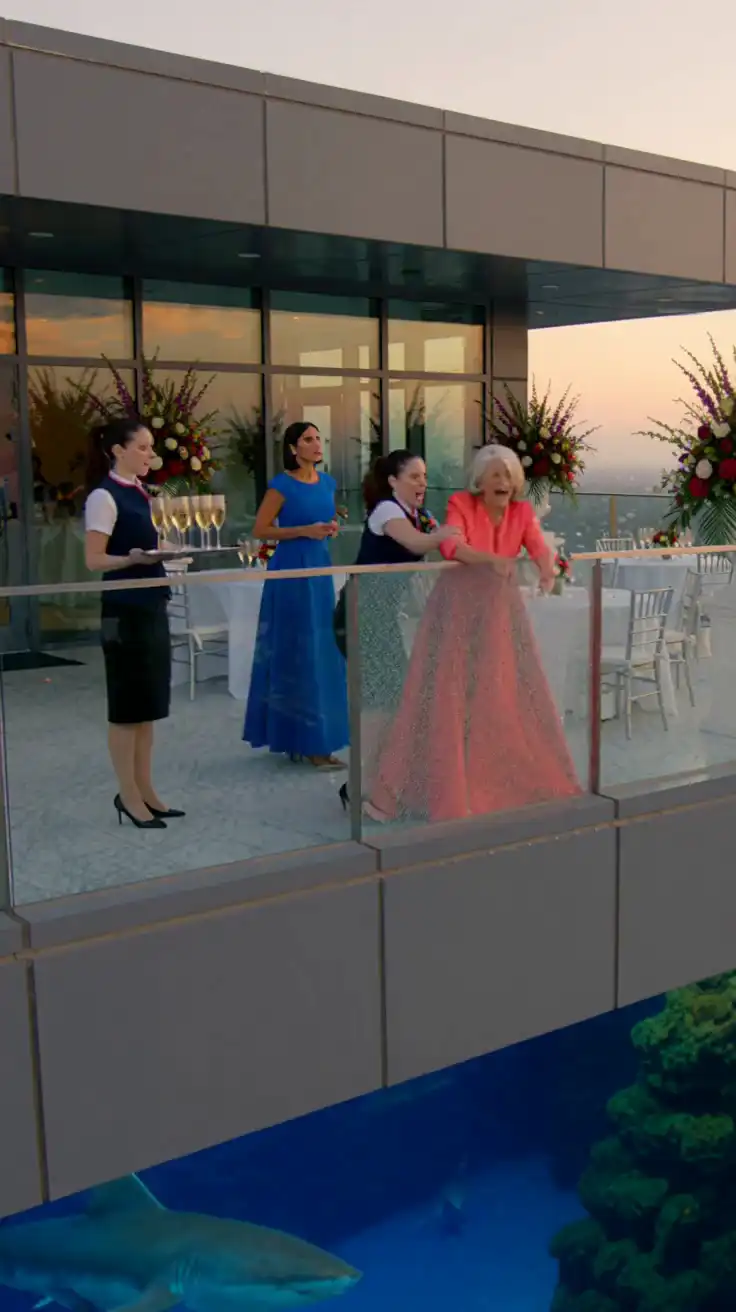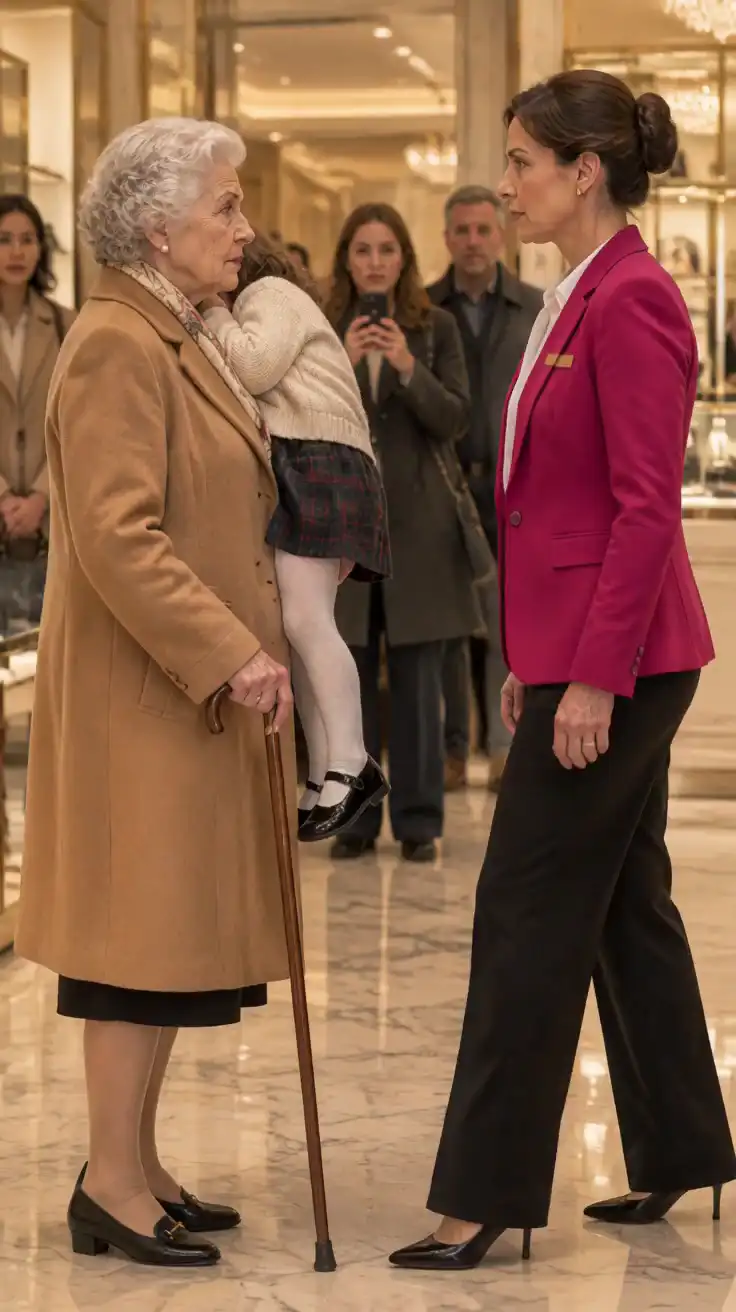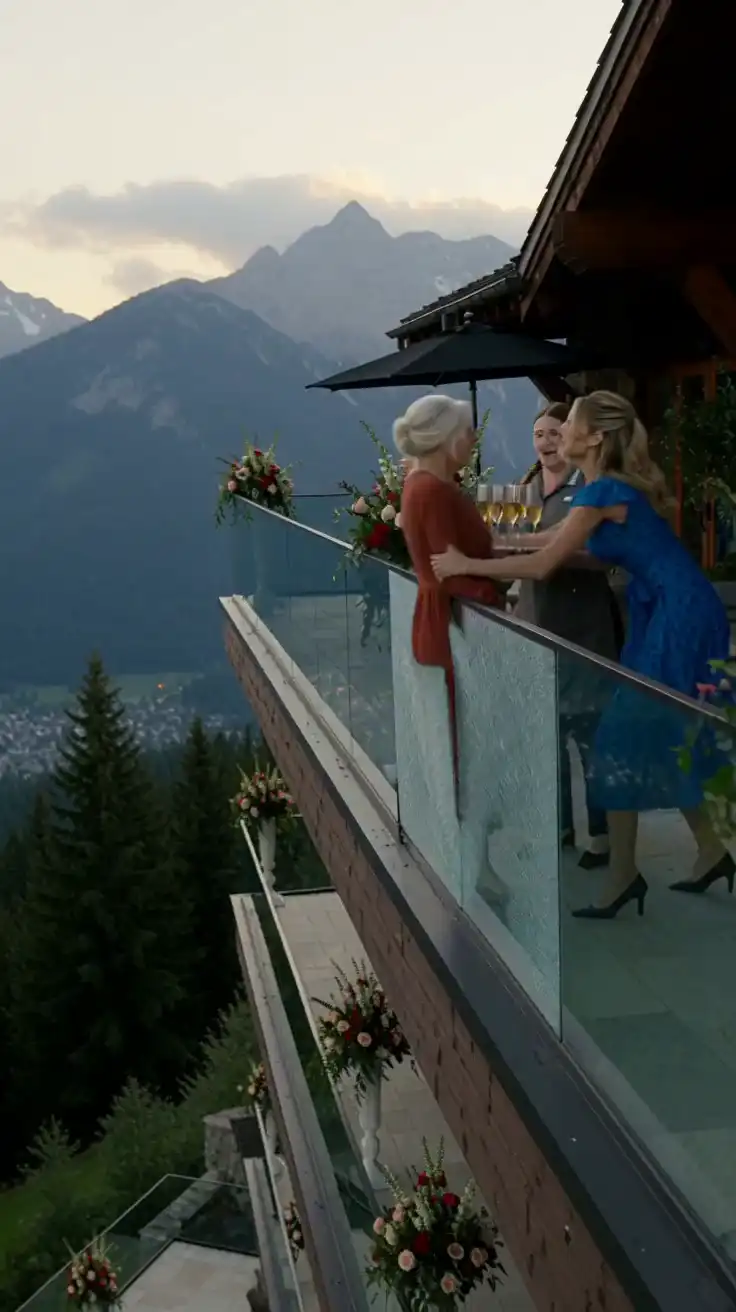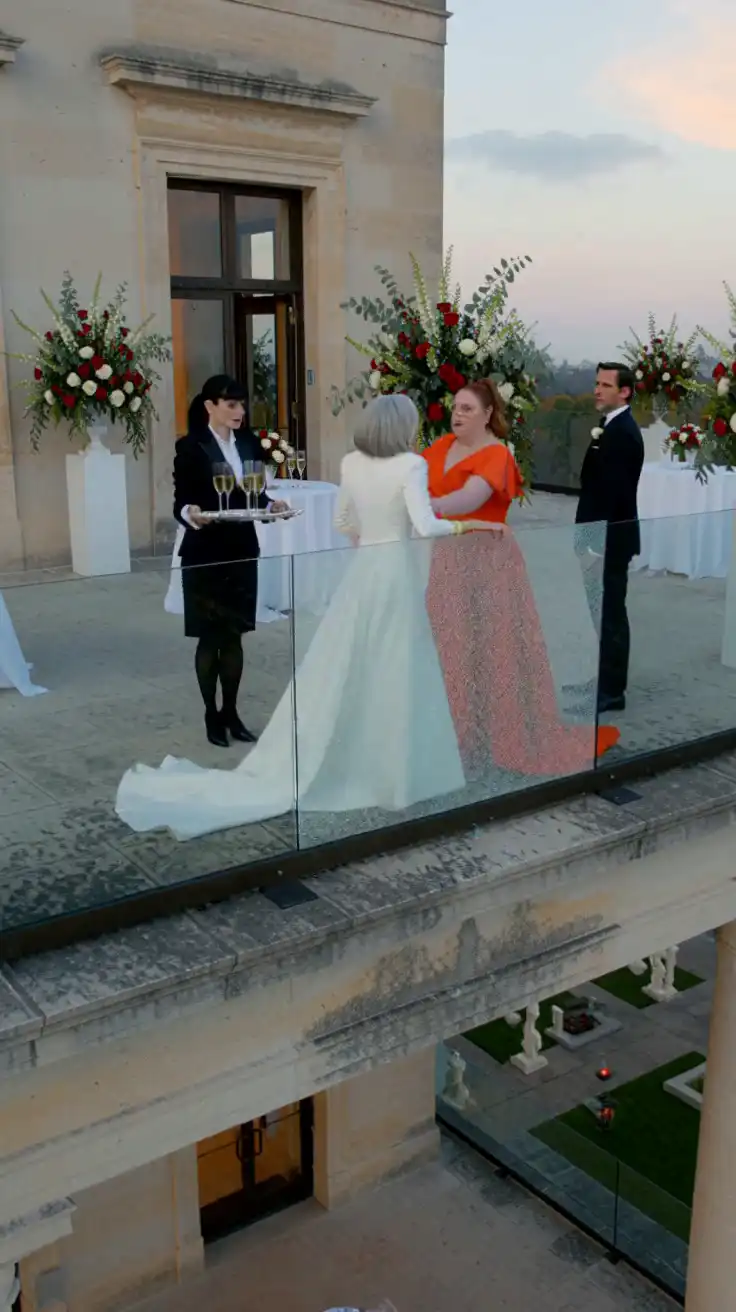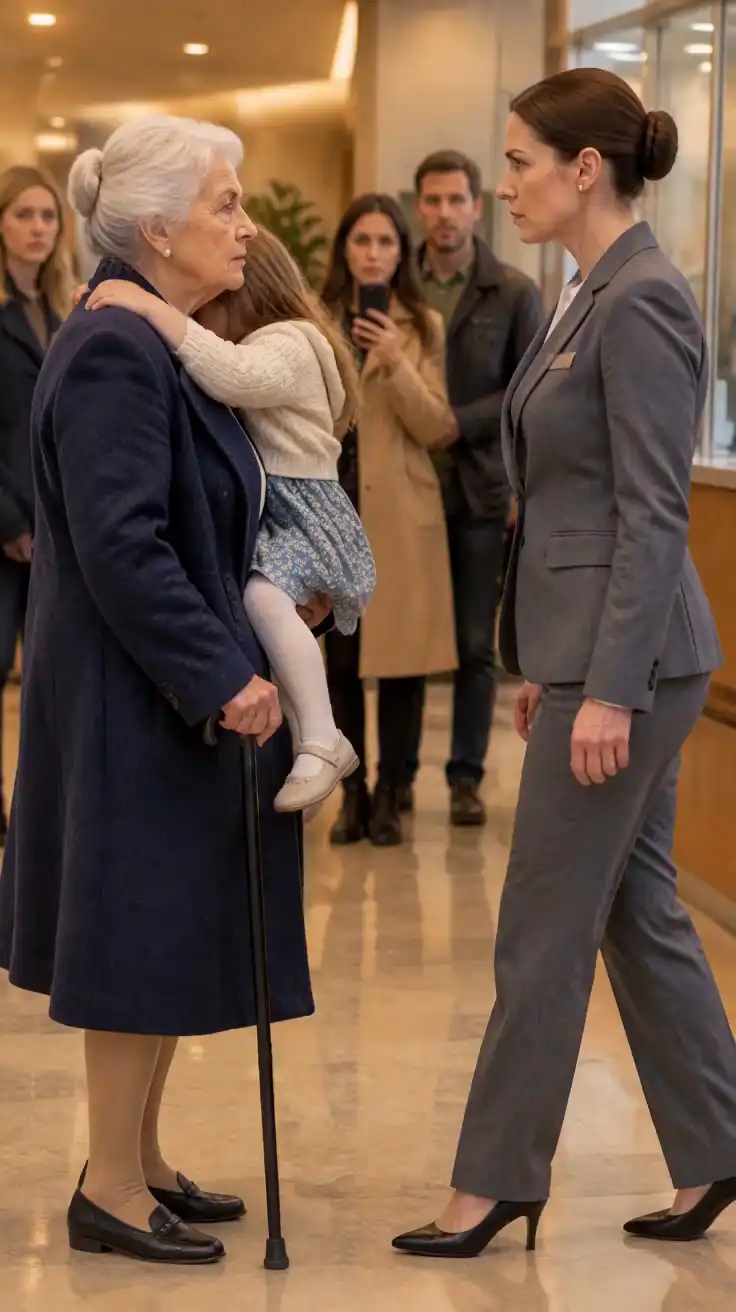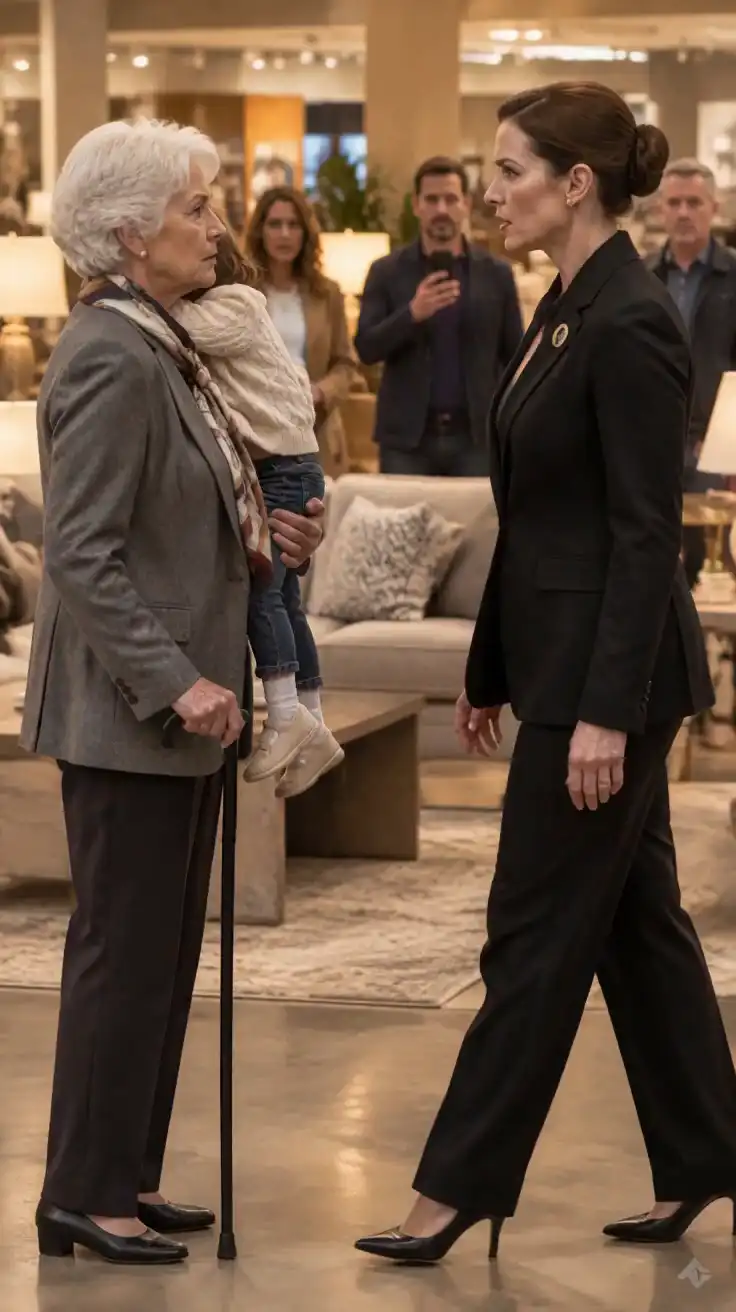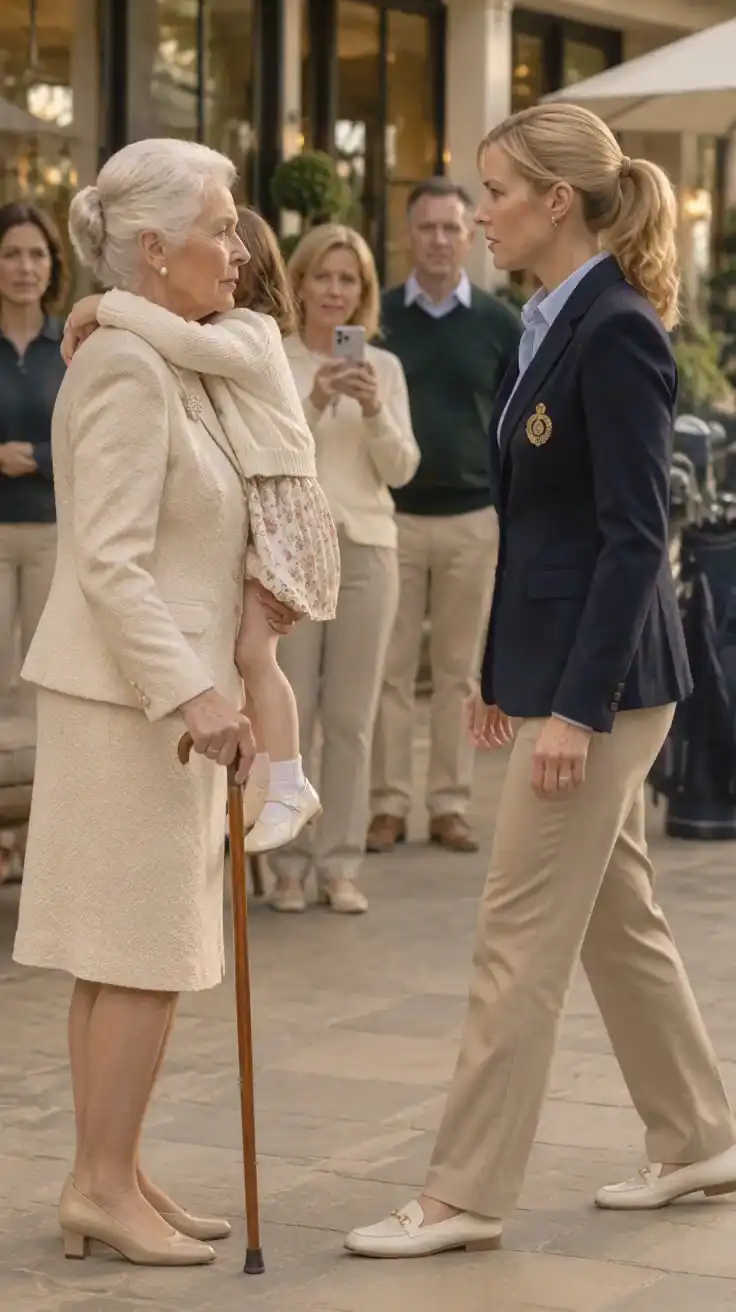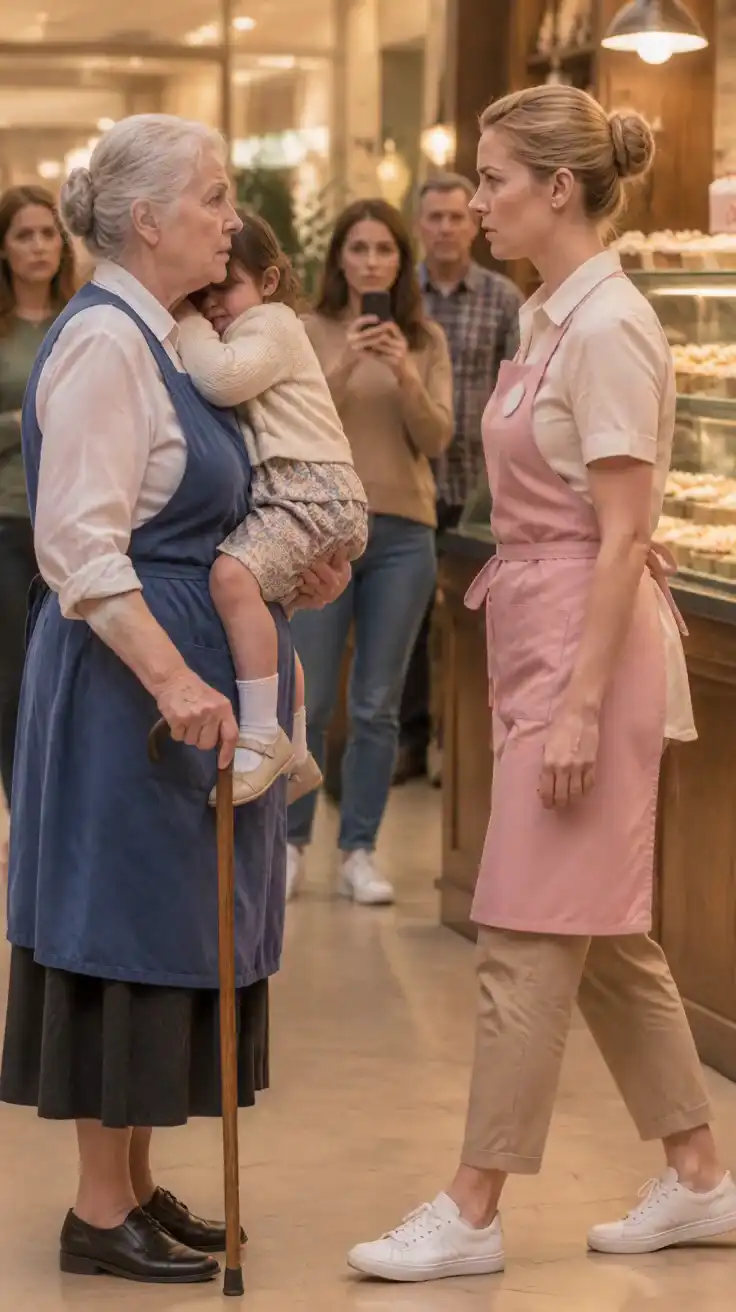
My bride shoved my mother through the greenhouse glass railing during our rehearsal to seize her garden, but as I pulled my mother back over the shattered edge, the gardener who caught her held up a folded document.
The broken glass crunched under my shoes as I grabbed the railing. My mother’s fingers were locked around the gardener’s wrist; below them, the roof garden dropped away beyond the shattered edge.
“Mother!” I shouted, reaching for her.
The gardener’s face had gone pale. “Help! Please!”
“I’m slipping!” my mother cried.
Sasha stood a few feet away, her wedding dress bright against the greenhouse glass. “She lost her balance,” she said.
I got both hands around my mother’s arm and pulled. The gardener held on until my mother’s shoulder cleared the railing, then I dragged her onto the roof. My mother folded against me, one hand gripping my jacket. No one had fallen. The glass lay in pieces around our feet.
“Look at me,” I said.
She looked up. I kept one arm around her while the gardener stepped back, her other hand closed around a folded paper. The rehearsal had been taking place in the greenhouse my mother had spent years tending, beneath the roof garden she had built with her own hands. Sasha wanted the space remade as a commercial photography studio. My mother had refused.
Robert came through the roof door at a run. His gaze moved from my mother’s shaking fingers to the glass, then to Sasha.
“She lost her balance,” Sasha repeated.
The gardener did not answer. She opened her fist and held out the paper to Robert.
“Where did you get that?” he asked.
“From the office,” the gardener said. “It was left with the greenhouse plans.”
Robert took it but did not unfold it yet. My mother stood beside me, one palm pressed flat against the front of my jacket. Sasha’s bouquet hung at her side, its ribbon brushing the floor.
Robert looked at the paper, then at the gardener. “You were carrying this?”
She nodded.
He went back inside and returned with a second document. He set both on the narrow table beside the roof door, aligning their edges with his fingertips. Sasha watched without speaking.
Robert placed the permit beside the heritage listing. Sasha said nothing.
WHAT THE GLASS COULD NOT TAKE
Robert held one finger beneath the date on the permit.
“February twelfth,” he said. “You asked me to review your engagement agreement in April.”
I looked from the paper to Sasha. “We got engaged in March.”
She tightened her grip on the bouquet. A bead of water fell from its wrapped stems onto the table.
“How did you apply to convert my mother’s greenhouse before you agreed to marry me?”
“It was an inquiry.”
Robert turned the page so she could read it. “An inquiry doesn’t name a proposed operator and give a date for construction.”
Sasha opened her mouth, then pressed her lips together.
My mother’s hand slipped from my jacket. I caught it before she could reach for the table, and she pulled her fingers free.
“I can stand, Daniel.”
“I know.”
“Then let me.”
I moved close enough that she could take my arm without asking. Robert stayed beside the documents, his back to the broken railing.
He was my mother’s younger brother. When my father died, he had handled the estate, and when my mother began restoring the greenhouse, he had read every contract before she signed it. That was why she had asked him to bring the heritage file to the rehearsal. She wanted Sasha to understand what could be changed before anyone hung decorations.
Now his wedding tie lay crooked against his shirt.
“Sasha,” he said, “answer him.”
She set the bouquet down over the corner of the application.
Robert lifted it away.
“Not on the papers.”
“It was a possibility,” she said. “People investigate possibilities.”
“Before we were engaged?”
“You’d already said you wanted a life with me.”
“I hadn’t offered you my mother’s property.”
“I never said you had.”
Robert tapped a box halfway down the page.
“Then we need to discuss why you checked this.”
I leaned over the table.
OWNER AUTHORIZATION ON FILE.
Beneath it was my mother’s name.
My mother reached past me and turned the document toward herself.
“I have never authorized this.”
Sasha looked toward the roof door.
Thea moved away from it, leaving the way clear, but Sasha stayed where she was.
I put my hand on the bouquet and pushed it toward her.
“Tell me how that box got checked.”
“The architect handled the form.”
“Which architect?” Robert asked.
“A consultant.”
“His name.”
“Martin Vale. He does commercial interiors.”
Robert took a pen from his jacket and wrote the name on the back of an envelope.
My mother was still reading.
“Remove central planting beds,” she said. “Level interior floor. Install blackout tracks.”
“Those were preliminary suggestions,” Sasha said.
My mother’s finger stopped halfway down the page.
“Dispose of existing potting fixtures.”
Thea rubbed one hand over the other. There was soil beneath her thumbnail and a wet patch on the knee of her work trousers.
“Mrs. Whitcomb,” she said, “we should go downstairs.”
My mother looked toward the shattered opening. Then she reached for my arm.
“Yes. We should.”
Sasha stepped forward.
“I’ll help you.”
My mother stopped so abruptly that I stopped with her.
“No.”
Sasha’s hand hung between them.
I moved to my mother’s other side, putting myself between Sasha and her.
“Thea, will you come with us?”
Thea nodded.
Robert gathered both documents.
“Everyone into the office,” he said. “We’re settling this before anybody leaves.”
The office sat one floor below the roof, tucked behind the greenhouse’s old brick stairwell. My mother kept invoices in a wooden tray there and seed catalogs in a basket under the desk. The chair by the window was covered with a folded wool blanket, though it was May.
I shook the blanket out and put it around her shoulders.
She caught one corner.
“Don’t wrap me up so tightly I can’t use my hands.”
I loosened it.
Robert placed the documents on the desk. Sasha remained by the door, still carrying the bouquet.
Thea stood beside a shelf of empty propagation pots.
I pulled out a chair for her.
“Please.”
“I’m all right.”
“Sit anyway.”
She sat on the edge, with her feet planted apart.
Robert opened his phone.
“Before I call the city, I need to know where this came from.”
Thea looked at my mother.
“Tell him,” my mother said.
“The plans were here when I came in this morning. In that gray folder.”
She pointed to the desk tray.
“Sasha asked me to clear the lower bench after the rehearsal. She said a man was coming Monday to measure for lights.”
My mother turned toward Sasha.
“You booked someone?”
“Only for measurements.”
“You told me the flowers needed more room.”
“They did.”
Thea shook her head.
“You said the pots were going into storage.”
Sasha looked at her. “You misunderstood.”
Thea’s hands went still in her lap.
“I asked which pots. You said all of them.”
I pulled the gray folder from the tray. Inside were floor plans, a printed equipment list, and a sheet with a Monday appointment written across the top.
The greenhouse benches appeared as pale rectangles marked REMOVE.
My mother leaned forward.
“Give me those.”
I placed the plans on her knees.
Thea watched her unfold them.
“I took the paper upstairs because it said you’d agreed,” she told my mother. “I thought if you’d signed something, I needed to know before I moved anything.”
“Why didn’t you bring the whole folder?” Robert asked.
“I was watering the roof planters. I folded the top sheet and put it in my back pocket. I was going to ask her when she came up.”
That was how the permit had reached the roof: tucked into a gardener’s work trousers so she could ask which plants she was supposed to save.
I looked at Sasha.
“You gave Thea instructions about a property you don’t own.”
“We were getting married tomorrow.”
“My mother would still own it tomorrow.”
“I know that.”
“Then why was a contractor coming Monday?”
Sasha lowered the bouquet onto the filing cabinet.
“I thought once everyone saw a proper proposal, we could stop having the same argument.”
My mother lifted the plan.
“You put an equipment cage where my husband’s workbench stands.”
“It’s a room, Helen. Things can be moved.”
My mother folded the page along its original crease. Her hands took longer than usual to line up the edges.
Robert drew his chair closer to Thea.
“I need you to tell us what happened upstairs. Start with when Helen came onto the terrace.”
Sasha made a small sound.
“We’ve already been through—”
“No,” I said. “You’ve told us she lost her balance. Thea hasn’t spoken.”
Thea looked at me, then down at her hands.
“I was at the long trough by the door. Mrs. Whitcomb came up to check the table placement. Sasha followed.”
My mother held the folded plan flat on her knees.
“They were talking about the studio,” Thea continued. “Mrs. Whitcomb said the greenhouse wasn’t available. Sasha said the paperwork was done.”
“The paperwork wasn’t done,” Robert said.
“That’s what she said.”
“Go on.”
Thea swallowed.
“Mrs. Whitcomb told her to cancel whoever she’d booked. She said no one was taking the plants out.”
Sasha crossed her arms.
“She was shouting.”
My mother raised her eyes.
“I told you no.”
“You were making it impossible to talk.”
Robert kept his attention on Thea.
“What happened next?”
Thea pressed both feet harder against the floor.
“Sasha put her bouquet on the table. She went right up to Mrs. Whitcomb.”
“I was trying to get past her,” Sasha said.
“There was room,” Thea said.
Her voice had been low until then. On those three words it became clear enough that Sasha took her arms apart.
“There was room on the door side,” Thea continued. “I saw both your hands go against her. You pushed.”
The office was quiet except for the little fan in the window.
I looked at my mother. She had set the plans on the desk and was holding the blanket closed with one hand.
“Thea,” I said, “did she reach for my mother afterward?”
“No.”
Sasha turned toward me.
“You cannot believe I meant for that to happen.”
“Did you push her?”
“I wanted her to move.”
“That isn’t an answer.”
“I didn’t know the glass would break.”
My mother shut her eyes.
I stood up so quickly the chair struck the wall behind me.
Robert put one hand against the desk.
“Daniel.”
I stayed where I was.
Sasha reached for my sleeve.
I stepped back.
“You saw her hanging there,” I said. “And you told me she lost her balance.”
“I panicked.”
“Thea was holding her. You had both hands free.”
Sasha’s fingers curled into her palm.
Robert moved my chair away from the wall and set it beside my mother.
“Sit here,” he said.
I sat because my mother had reached for my wrist.
She held it for a moment, then let go.
“The lower drawer,” she told Robert. “Blue envelope. The original certification is there.”
He opened the drawer, but she shook her head.
“I’ll get it.”
I shifted enough to let her pass.
She bent, took out a thick blue envelope, and placed it in front of Sasha. Its flap had been opened and closed often enough that the paper had softened at the crease.
“The document upstairs is the short record,” she said. “This is what I signed.”
She slid out a bound set of pages with photographs clipped to the front.
The greenhouse in the first photograph had boarded windows. In the second, my father stood beside an iron column with a measuring tape in his hand.
My mother moved those aside without lingering over them.
“Here,” she said.
Robert read the page she indicated.
“The protected interior includes the original ironwork, the central planting layout, the stone drainage channels, and the potting bench.”
Sasha looked at the photographs.
“I wasn’t going to tear the building down.”
“You were going to take out the things the listing protects,” Robert said.
“There are studios in historic buildings all over the city.”
“Yes. With the owner’s consent, an approved use, and whatever preservation review the work requires.”
He laid the application beside the bound pages.
“You don’t have any of those.”
Sasha looked at me.
“You said this place cost her money.”
“It does.”
“You said you worried about her doing the stairs.”
“I do.”
“That’s what I was trying to fix.”
My mother pulled her chair closer to the desk.
“You could have asked me whether I needed help paying for a boiler. You could have asked me to use the lift.”
“You won’t use the lift.”
“It sticks.”
“I had someone quote a new one.”
“Then show me a quote for a lift.”
Sasha glanced at the gray folder.
My mother waited.
No lift quote came out.
Robert found a number in the heritage file and dialed it.
“This is Robert Whitcomb. I’m with Helen Whitcomb, owner of the glasshouse property on Bell Street. She’s here to authorize a conversation about a change-of-use application.”
He listened, then held the phone toward my mother.
She gave her full name, address, and the reference number printed on her annual rates notice.
“Yes,” she said. “You may speak to my brother. Put the call on speaker, Robert.”
A woman’s voice filled the little office.
“My name is Elaine Porter. I supervise development applications. Can you read me the application number?”
Robert did.
There was a pause and the sound of typing.
Sasha picked up her bouquet again.
“Ms. Porter,” Robert said, “we have a paper here that’s been presented as a permit.”
“Does it say ‘application acknowledgment’ beneath the reference number?”
He moved his finger down the page.
“Yes.”
“That is a receipt for submission. It does not authorize work.”
Sasha set the bouquet back down.
I looked at the bold word PERMIT near the top of the form, then at the smaller print Robert had uncovered by flattening the fold.
My mother had been standing beside that paper while Sasha told her the decision was already made.
Robert read the checked authorization box aloud.
“My sister says she never authorized this application.”
“Mrs. Whitcomb?”
“I didn’t,” my mother said. “I haven’t signed anything for Sasha or her consultant.”
More typing.
“We requested the owner’s signed authorization in February. It hasn’t been supplied.”
Sasha spoke toward the phone.
“I was told it could be added later.”
“It can be supplied during the review process,” Ms. Porter said. “Nothing can be approved without it.”
“Then it’s pending,” Sasha said.
“Let me finish checking the record.”
I watched the second hand on my mother’s wall clock move past the twelve.
Thea had started rubbing her hands again. My mother reached across and laid a clean potting cloth beside her.
Thea picked it up.
Ms. Porter returned.
“The property also carries a heritage designation. The proposed removal of interior features would require a separate review. There is no such application attached.”
Robert drew the bound heritage file closer to the phone.
“We have the designation and protected-features schedule in front of us.”
“Then you’ll see why this submission cannot authorize the work described. Without owner consent, it is invalid. No permit has been issued.”
My mother leaned toward the desk.
“Can you put that in writing?”
“Yes. I can send a status letter to the owner’s registered mailing address and email. Mrs. Whitcomb, will you confirm the address we have?”
My mother did.
Sasha took a step away from the cabinet.
“Can we speak privately for one minute, Daniel?”
“No.”
“This is our future.”
I looked at the plan on the desk.
The proposed reception counter covered the spot where my mother kept a stool for my daughter, Lucy, when she came to plant seeds. I had told Sasha that story when I first brought her here. She had sat on the stool and laughed because one leg was shorter than the others.
“You put a desk over Lucy’s stool,” I said.
Sasha frowned.
“What?”
“On your plan. Right there.”
“It’s a drawing.”
“You knew what was in this room.”
Robert lifted one finger. Ms. Porter was speaking again.
“I can flag the record now to show that the owner expressly denies consent. The applicant can withdraw the submission through the portal. If she doesn’t, we’ll close it for failure to provide the required authorization.”
“She’s here,” Robert said. “We’d like to resolve that today.”
“I can email withdrawal instructions to the applicant’s address on file.”
Sasha stared at him.
“You’re making this much bigger than it needs to be.”
Robert looked at my mother before answering.
“Helen, what do you want?”
My mother smoothed the edge of the blue envelope.
“I want the application withdrawn. I want Monday’s visit canceled. I want my keys back.”
Robert repeated the first request into the phone.
Ms. Porter said the email had been sent.
Sasha’s phone chimed inside her small handbag.
Nobody reached for it.
Robert thanked Ms. Porter and asked her to stay on the line while we checked the instructions.
Sasha looked at me again.
“Are you really going to stand there while your uncle orders me around?”
“He asked my mother what she wanted.”
“You and I need to decide things together.”
I stood up.
“Tomorrow is canceled.”
She stared at me.
“The measurements?”
“The wedding.”
My mother’s hand moved toward the desk, then settled on the blue envelope.
Sasha shook her head.
“You don’t mean that.”
“I do.”
“We have people coming.”
“I’ll tell them.”
“My parents have paid for—”
“I’ll speak to them about the bills.”
“You’re doing this in front of them?”
There were only four of us in the office with her. Thea sat with the cloth twisted between her hands. Robert held the phone above the paperwork. My mother had not looked away from Sasha.
“You pushed my mother,” I said. “Then you asked me to believe she slipped.”
Sasha’s eyes filled, but she kept looking at me.
“I said I didn’t know the railing would break.”
“You keep telling me what you didn’t know.”
She looked toward my mother.
“Helen, tell him we should wait until everyone’s had a chance to calm down.”
My mother pulled the blanket from her shoulders and folded it once.
“I asked you to cancel a measuring appointment,” she said. “You put your hands on me.”
Sasha’s mouth worked.
My mother laid the blanket on the empty chair.
“I am not going to ask my son to marry you.”
The phone made a faint rustling sound.
“Mr. Whitcomb?” Ms. Porter said. “Would you prefer I call back?”
Robert looked at my mother.
“No,” she said. “Please stay. I’d like this finished.”
Sasha took her phone out.
Her thumb moved over the screen, stopped, then moved again.
“There’s a fee,” she said.
“Is it a fee to withdraw?” Robert asked.
“No. The consultant’s fee. It says the application payment won’t be refunded.”
“That’s between you and your consultant.”
“He did the work.”
My mother looked at the paper with her name on it.
“He can send the bill to the person who hired him.”
Sasha opened the city email.
I could see the heading reflected faintly in the glass of the cabinet beside her.
She read for a while.
“What do I put for the reason?”
Robert kept his voice level.
“The truth.”
She looked up at him.
“The property owner has not authorized the project,” he said.
Sasha typed.
Then she stopped.
“If I withdraw it, I’d have to start over.”
My mother’s fingers closed around the envelope.
“There won’t be another application for my greenhouse.”
Sasha pressed the screen.
A moment later she held the phone out toward Robert.
He read it without taking it from her hand.
“Ms. Porter, she has a submission receipt for the withdrawal.”
“I can see the request now.”
The typing resumed.
“Mrs. Whitcomb, the application is withdrawn. The record will show no permit issued and no work authorized. I’ll include that in your status letter.”
My mother breathed out through her nose.
“Thank you.”
Robert asked for the reference number and wrote it on the envelope beneath the consultant’s name.
Only then did he end the call.
Thea unfolded the potting cloth.
“Should I call the man who’s coming Monday?”
“Sasha will cancel him,” Robert said.
Sasha glanced at me, but I had nothing else to offer her.
She found the number in her phone.
When someone answered, she turned toward the window.
“Martin. The greenhouse project is canceled.”
A pause.
“No. Don’t come Monday.”
She listened, her shoulders rising.
“The owner hasn’t consented. The application has been withdrawn.”
Another pause.
“I’ll speak to you about your invoice later.”
She ended the call and put the phone in her bag.
My mother held out her hand.
“The keys.”
Sasha looked at the ring on her own finger.
“Not that,” my mother said. “The building keys.”
From the handbag came a silver ring with a brass greenhouse key and a smaller key for the side entrance.
My mother counted them.
“The office copy?”
“I never had it.”
Thea raised her head.
“It was on the blue tag.”
Sasha stood still.
“You borrowed it Tuesday,” Thea said. “For the photographer to see the room.”
Sasha reached into an inside pocket of the bag and placed a third key on the desk.
Robert moved all three beside my mother’s hand.
I took out my phone.
My wedding notes were still at the top of the screen: flowers, dinner time, where Lucy was supposed to stand.
I closed them and called the coordinator.
Sasha watched me.
When the coordinator answered, I gave my name and told her the ceremony and reception were canceled.
She asked whether we were postponing.
“No.”
She asked whether my mother’s greenhouse had become unavailable.
I looked at my mother.
“The greenhouse is fine,” I said. “The wedding is canceled.”
Sasha turned away.
I asked the coordinator to notify the vendors and send me the cancellation terms. She started to explain the deposits, and I told her I understood there would be costs.
“Please don’t give the greenhouse as the reason,” I said. “There’s no problem with the venue.”
My mother looked down at the keys.
When I hung up, Sasha’s voice was barely above the fan.
“You’ve decided everything.”
I put my phone on the desk.
“You submitted an application before we were engaged. You arranged for my mother’s plants to be removed. Today she told you no, and you pushed her.”
“I thought we could build something here.”
“You didn’t ask us to build it with you.”
She pulled the engagement ring off and laid it beside the bouquet.
It struck the metal cabinet with a small, sharp click.
I left it there.
Robert closed the heritage folder.
“Is someone able to collect you?”
“I can drive.”
“Your bag and coat are downstairs,” I said. “I’ll bring them.”
“I can get them myself.”
“Then I’ll walk down with you.”
My mother’s fingers caught my cuff.
I bent toward her.
“I’m coming right back.”
She released it.
Sasha and I went down the narrow stairs. At the landing she stopped beside the framed photograph from the greenhouse’s reopening. My mother was in the center, holding a pair of borrowed ceremonial scissors. Thea stood at one edge with her hands behind her back.
“You never told me it was protected until after I’d paid Martin,” Sasha said.
“My mother told you the first time you asked about clearing the beds.”
“She said she wouldn’t clear them. She didn’t show me all those documents.”
“She didn’t need a document to tell you no.”
Sasha turned from the photograph.
“You were always going to choose her.”
I rested my hand on the banister. There was a rough place in the wood I had been meaning to sand for months.
“This morning I was going to marry you.”
She looked at me then.
For a moment neither of us moved.
“Daniel—”
“I was going to marry you,” I said again. “With my mother sitting in the front row.”
She lowered her eyes.
We went downstairs.
Her coat hung behind the reception-room door. I took it off the hook and handed it to her with the overnight bag she had brought for the wedding.
She struggled to get one arm into the sleeve while holding the bag. I reached for the handle automatically, then stopped when she pulled it closer.
At the side entrance, she turned back.
“Will you call me?”
“We’ll need to arrange the apartment and the remaining bills. I’ll email you.”
“And everything else?”
I looked through the open office door. From upstairs came the faint sound of my mother speaking to Thea.
“There won’t be a wedding,” I said.
Sasha walked to her car.
I waited until she had driven out, then shut the door and turned the lock.
When I returned to the office, Thea was pouring tea into three mismatched mugs. Robert stood at the window, speaking quietly into his phone about securing the roof.
My mother looked at the empty space behind me.
“Has she gone?”
“Yes.”
She nodded once.
Thea set a mug in front of her.
“The repair company can put a temporary barrier up this afternoon,” Robert said when he finished his call. “Helen, they’ll need your authorization.”
“Send it to me.”
He put the phone beside her, and she read the estimate before approving it.
I pulled my chair closer.
“I should have listened when you told me she kept asking about the greenhouse.”
My mother rested both hands around her mug.
“I told you she kept asking. I didn’t know she’d done this.”
“I said she was excited.”
“Yes.”
“I made you explain the same answer over and over.”
She watched the tea for a moment.
“Next time I tell you someone isn’t hearing me, don’t explain their intentions to me.”
“I won’t.”
She took a sip.
Across the desk, Thea was staring at her own mug.
My mother reached for her hand.
Thea put it on the desk, palm up, as though expecting my mother to inspect it.
Instead my mother held it between both of hers.
“You came back for me.”
“I was right there.”
“You stayed.”
Thea looked toward the window.
“I didn’t know if I could keep hold.”
I set my mug down before I spilled it.
Thea turned toward me.
“When you got there, I could let go.”
I tried to answer and couldn’t.
My mother squeezed her hand once and released it.
“Tomorrow,” she said, “you are taking the day off.”
“There’s watering.”
“Daniel can water.”
Thea looked at me.
“Can you?”
“With instructions.”
“The fern house needs less than you think.”
“Write that in large letters.”
She gave a short breath that almost became a laugh.
Robert’s phone chimed.
He read the screen, then turned it toward my mother.
The city’s status letter had arrived. Her name appeared at the top, followed by the property address and the withdrawal reference.
She read every line.
Then she passed the phone to me.
The application was withdrawn. No permit had been issued. The proposed work had no authorization.
I handed it back.
“Would you like a paper copy?” Robert asked.
“Yes. Two.”
He used the office printer. One copy went into the blue envelope. My mother folded the other and placed it in the gray folder with Sasha’s plans.
“What do you want done with these?” I asked.
“Keep them with the letter.”
I slid the plans under the city’s confirmation.
Thea rose to rinse the mugs, but my mother stopped her.
“Leave those.”
“I don’t mind.”
“I know. Sit with me for another minute.”
Thea sat.
I went to the cabinet and brought back the bouquet and ring. The flowers had left a damp circle on the metal.
I put them in a cardboard box from beneath the desk.
Underneath was a stack of white place cards. My mother had written them herself because her handwriting was better than mine.
She watched me lift the first card.
“Those can go too,” she said.
I put the stack beside the ring.
Then I picked up my phone and called my daughter.
Lucy was staying with her mother until the ceremony. When she answered, she asked whether she still had to wear the shoes that pinched.
“No,” I said. “There isn’t going to be a wedding tomorrow.”
She went quiet.
“Are you still getting married?”
“No, sweetheart.”
“Is Grandma there?”
My mother held out her hand.
I gave her the phone.
“Hello, darling.”
She listened.
“Yes, you can come Sunday.”
Another pause.
“We’ll find something else to do with the rose petals.”
My mother looked toward the greenhouse door.
“The tomatoes haven’t planted themselves.”
I sat down while she explained which tray belonged to Lucy.
She handed the phone back after promising to save the red watering can.
I told Lucy I loved her and stayed on until she was ready to hang up.
By late afternoon, the office printer had produced the vendor cancellations, the coordinator’s notice, and the city’s second copy. Robert stacked them in a clean folder for me.
My mother signed the order for the permanent railing repair.
Thea checked the watering schedule with me, crossing out the tasks she had already finished.
When Robert went to meet the repair crew at the side entrance, my mother stood.
I stood too.
She glanced at me.
“The greenhouse, Daniel. Not the roof.”
I followed her through the interior door.
The white ribbons for the rehearsal were still tied to the iron columns. A row of chairs faced the central aisle, their legs carefully kept away from the stone drainage channels.
My mother touched the back of the nearest chair.
“We’ll have these collected.”
“I’ve arranged it.”
She nodded and walked between the planting beds.
At the potting bench, she stopped.
The old wood was scarred with circles from wet pots. My father’s ruler still hung from a nail at one end. A tray of tomato seedlings waited beneath a sheet of newspaper.
My mother lifted the paper.
“They’re getting leggy.”
“I’m on watering duty, not plant diagnosis.”
“You’re on whatever duty I give you.”
I pulled Lucy’s crooked stool out from under the bench and sat.
My mother took two empty pots from the shelf.
For a while we worked without speaking. She showed me how much compost to put in the bottom, then made me tip half of mine back into the bag.
“That much?”
“They need somewhere for the roots to go.”
I filled the pot again.
She eased a seedling from its tray and placed it in my hand. The stem bent toward the window.
“Lower,” she said.
I lowered it.
She pressed soil around the base with two fingers, then moved the next pot toward me.
At the doorway, Thea paused with her coat over one arm.
“Everything’s shut except this section.”
“We’ll lock it,” my mother said.
“I’ll see you Monday.”
“Monday,” my mother agreed.
I looked up.
“Thank you, Thea.”
She held my gaze, then nodded.
After she left, my mother reached across the bench for the watering can. I moved it closer without taking it from her.
She gave the first pot a careful drink.
“Enough?” I asked.
She touched the soil.
“Enough.”
I set the finished seedling on the bench, right where the studio plan had placed its equipment cage.
My mother put the second pot beside it and slid the tray toward me.